分類彙整30 篇

Critic Tic-Tac-Toe

Our new column has been released! Follow us on Critic Tic-Tac-Toe for the latest and most depth Taiwanese art news.

這一頁是系統依分類自動整理的文章列表,依發布時間排列。

Column by Lawyer Lan

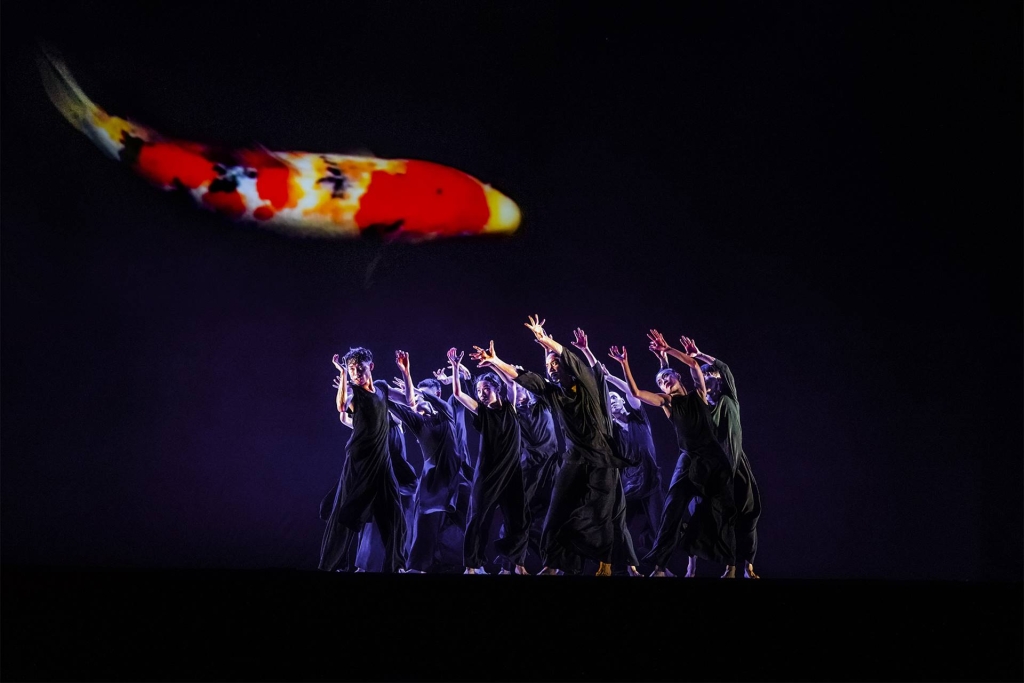
Behind the Stage: Copyright Protection for Performing Arts

Taiwan's domestic performing arts scene has experienced significant growth in recent years. As creators and innovators explore diverse forms of performance, audiences are treated to a whole new world of experiences. Yet, the intricate legal relationships forged between theaters, performing groups, and actors through these varying art forms have given rise to increasingly complex collaboration and commercial arrangements. The increasing disputes highlight the urgent need to establish robust legal frameworks and recalibrate market dynamics to maintain harmony in the industry.
黃秀蘭

Column by Lawyer Lan

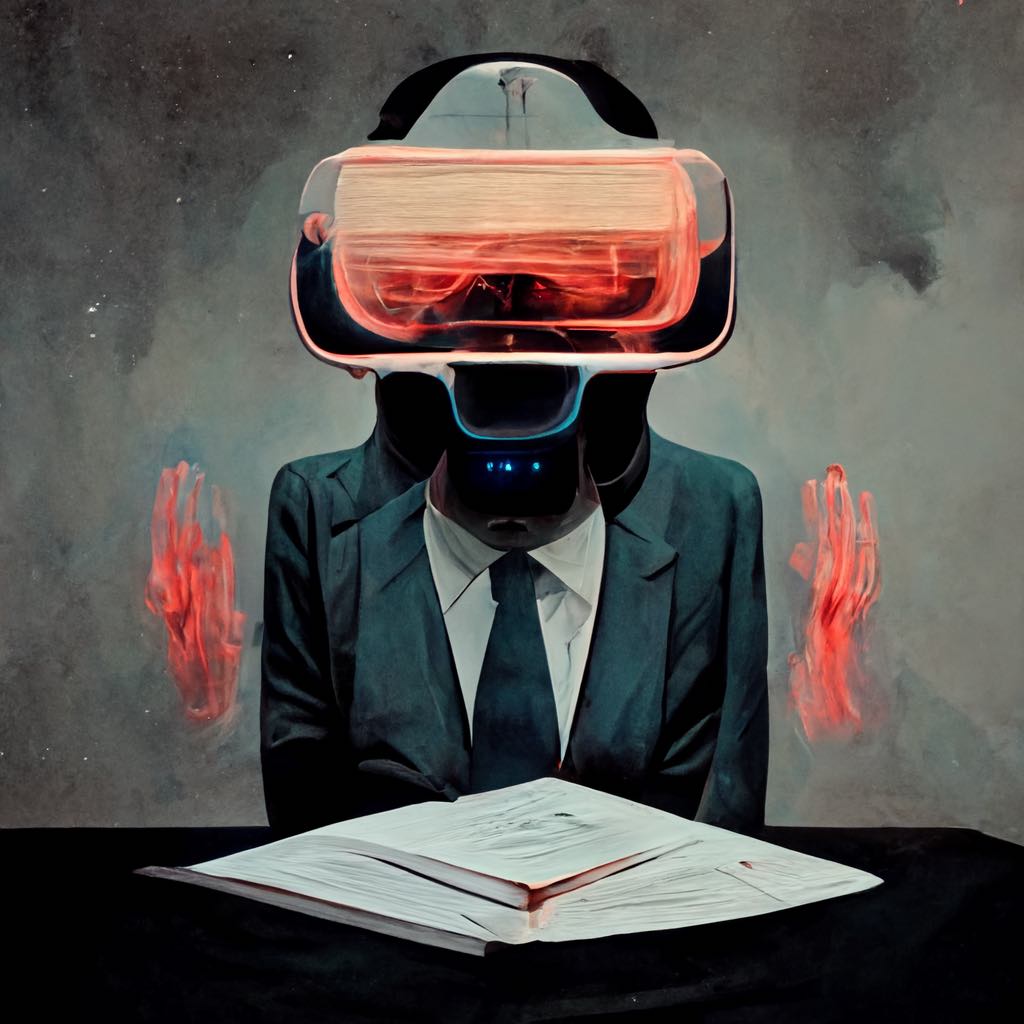
AI, NFT, Metaverse: Copyright Ownership Issues and Legal Disputes in Digital Art

This article focuses on the controversial issues surrounding technological art in the legal field. By examining the steps and structure of the creative process, the author analyzes the legal nature of technological art, offers guidance on exercising associated rights, and discusses the application of reasonable regulations.

黃秀蘭

Column by Lawyer Lan

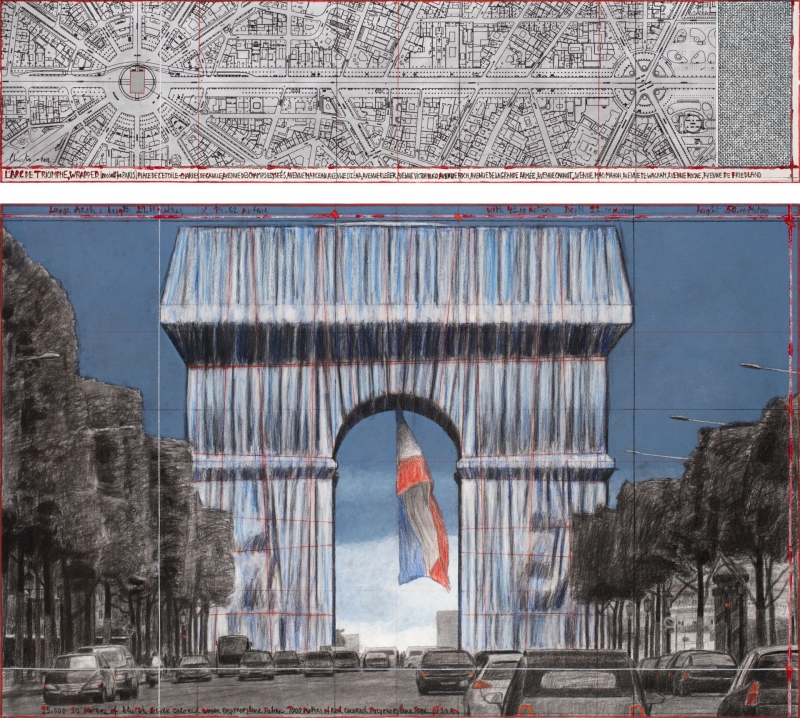
What Kind of Design Can Be Protected under Copyright Law? The Line Between Elements for Creation and Copyright Infringement

What kind of design can be protected by copyright law? Can creators freely adopt any materials they want? How do they avoid copyright infringement through improper adoption of materials? After the design work is completed, how do the collaborating parties ensure that their interests are well covered and protected in the licensing process? The author has selected recent domestic and international cases to provide in-depth analysis below.

黃秀蘭

Column by Lawyer Lan

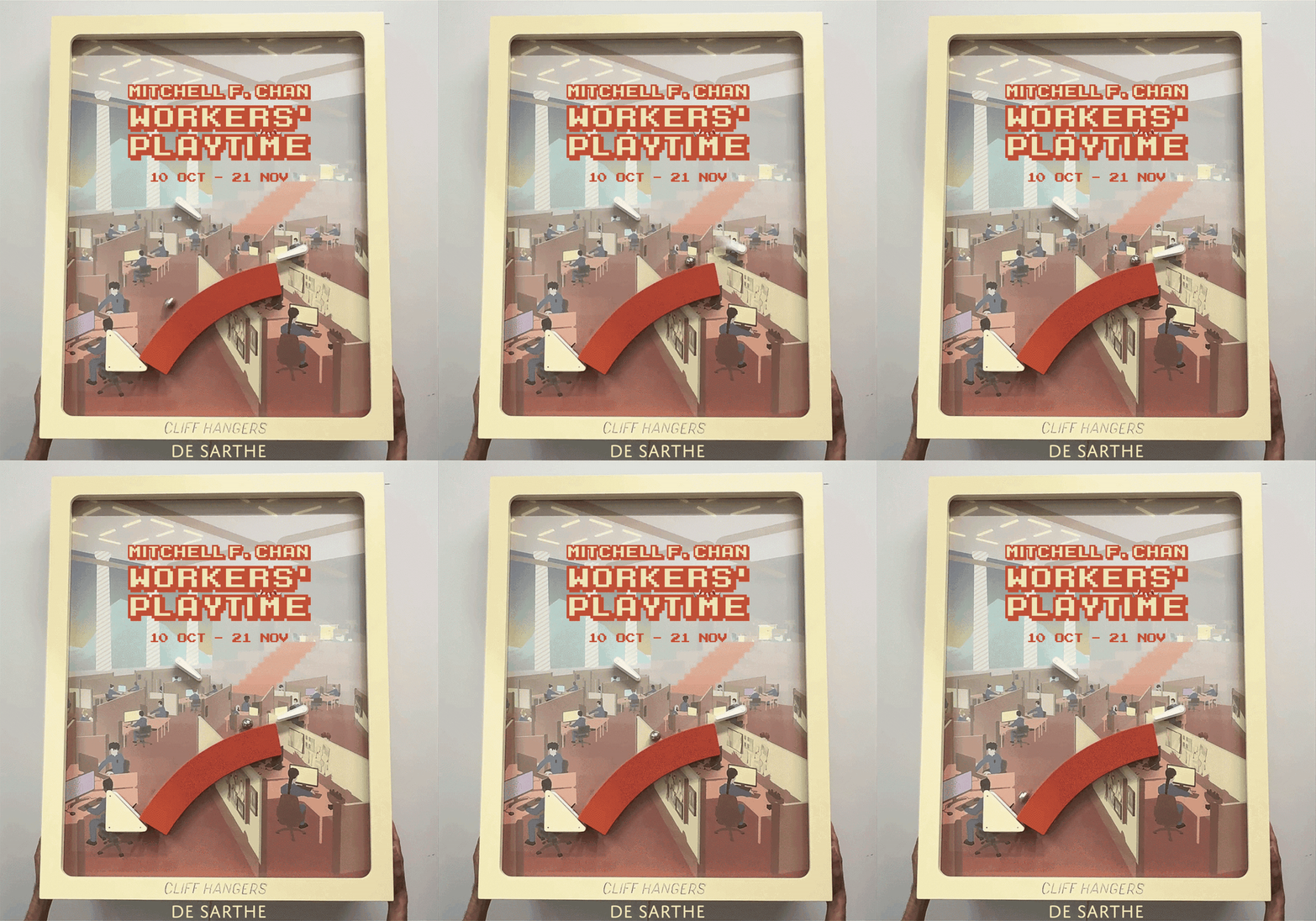
Deconstructing the Rights of VR Animations

While Taiwan's VR animations are picking international interests, we must ask if any corresponding measurements in legal aspects are in place to keep up with the intellectual property’s issues relating to the market mechanism in IP licensing. With the onset of the production team's cross-industry collaboration and the effort of developing new markets, laws can be implemented in time to support the rules in the world of art creation in order to lower the risk of unnecessary disputes.

黃秀蘭

Column by Lawyer Lan

How Should Creators Protect Their Rights? The Implication and Practice of “Moral Rights”

How do the authors/ licensors meet the requirements of users/ licensees to the extent permitted by law while retaining (rather than assigning or waiving) moral rights in a way matching the needs of tech mediums integration? It will require art professionals to comprehend IP knowledge thoroughly and realize the outcome in practice through communication and negotiation. By doing so, art professionals can embed such respect and trust into the parties' relationships, practically implement the agreement, safeguard authorship and avoid the dilemma of infringement.

黃秀蘭

Changing Landscape— Art Exhibitions for Two Centenaries in Taiwan’s History and their Political Connotations

Art history in Taiwan is going through a turn of its course, as the consequence of the rising awareness of Taiwanese-ness and divergent discourses. Such a turn was particularly reflected in the curatorial direction of art exhibitions for two centenaries in Taiwan's history, one for ROC's 100th National Birthday, one for Taiwan Culture Association's 100th anniversary. In the celebrating art events displaying landscape paintings, themes looking in the exploration of nature, the gazes of colonizers, and surveys of lands were first considered as a part of the national identity. This study first introduces the political climate during the time each of these centenaries was taking place. Then it brings out issues upon territorial claims in history and how these issues had been integrated into the themes of landscape paintings. This study also reviews how plein air painting, promoted as modern art by Japanese colonizers, became a way for Taiwanese artists' pursuit of subjectivity. And after looking into artworks and curatorial statements of several art exhibitions in Taiwan, this thesis further analyzes how the curatorial tasks contextualized the nation's aspiration to decolonize through developing national narrative other than Sino-centric view.

吳介祥

The Hidden North | The Hunger Theater: Capitalization of the Indigenous Community in Taiwan

The most treacherous virus in Taiwan's contemporary art scene is the "hunger syndrome," a syndrome linked to the allocation of resources. Infected by this virus, the art circle has managed to develop a predatory ideology of capitalization and resource allocation. Those who possessed cultural capital and controlled resources have created an arts ecology that is gradually losing its authenticity.

高千惠

Seeing “In-house Curator” in Museums from National Palace Museum and National Museum of History

In conclusion, when we use the museum as a starting point to understand the role played by “in-house curators”, we can see that the obligation to serve specific political purposes or those in power has diminished considerably, and the way in which people plan exhibitions there and the underlying academic research are not unlike what curators outside the institution have to handle.

李孟學